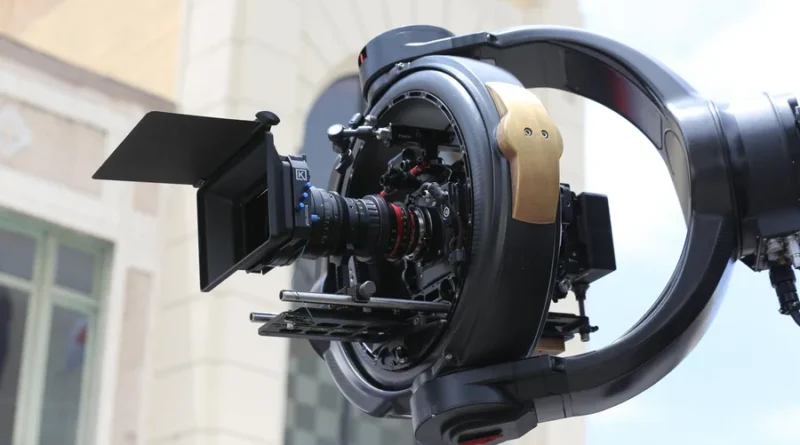
Best Video Camera for Filmmaking: The Ultimate Gear Guide
Selecting the best video camera for filmmaking depends on your budget, shoot style, and whether you work alone or with a crew. The right gear helps capture rich colors and sharp details, turning your creative concepts into polished movies.
Modern hybrid mirrorless bodies and dedicated cinema cameras offer high-end image quality at consumer price points. From what we’ve seen, prioritizing internal color bit depth and lens choices matters much more than simply buying the model with the highest megapixel count.
What is the best video camera for filmmaking?
The best video camera for filmmaking is the Sony FX30 for entry-level cinema or the Blackmagic Pocket Cinema Camera 6K Pro for narrative film projects. These tools offer professional video codecs and high color flexibility without a high price tag.
According to a 2024 cinematography equipment survey by CineD, over 55% of independent filmmakers prefer mirrorless hybrid cameras due to their compact size and reliable autofocus systems. If you are passionate about the storytelling process itself, you can read about cinema and television adaptations to see how classic books are translated into visual film layouts.
Do you need a full-frame sensor for filmmaking?
No, you do not need a full-frame sensor for filmmaking, as Super 35 and Micro Four Thirds sensors have been the standard in the film industry for decades. While full-frame sensors offer better low-light performance, smaller sensors provide wider lens choices and cheaper gear setups.
One common myth is that a larger sensor is the only way to achieve a cinematic background blur. In reality, background blur depends on your lens aperture speed and the distance between your subject and the background. Based on top sellers list data from B&H Photo Video, Super 35 cameras like the Sony FX30 outsell full-frame models among solo film crews due to their lightweight design and affordable crop-sensor lenses.
Here are the key sensor formats available for film production:
- Full-Frame: Offers maximum low-light performance and a very shallow depth of field.
- Super 35: The traditional cinema standard that balances shallow focus with affordable lens options.
- Micro Four Thirds: A highly compact format that is ideal for telephoto work and run-and-gun filming.
One mistake we see beginners make is spending their entire budget on a premium camera body while using cheap kit lenses. This usually leads to soft, uninspiring images that lack a cinematic look. Instead, try allocating at least half of your budget to fast prime lenses and high-quality lighting setups.
How much should a starter cinema camera cost?
A starter cinema camera setup costs between $1,500 and $2,500 for a capable body, a versatile zoom lens, and basic audio recording gear. This price range allows you to record in professional 10-bit color formats suitable for color grading.
Imagine you are a beginner director preparing to shoot your first short film on a $3,000 total budget. You can spend $1,800 on a Sony FX30 cinema body, $600 on a sharp zoom lens, $300 on a wireless microphone set, and $300 on a sturdy tripod. We prefer choosing a camera with reliable eye-tracking autofocus because keeping manual focus sharp while moving can be extremely difficult for solo shooters.
We’ve noticed that cameras with dual native ISO values perform significantly better when shooting indoors at night, as they reduce sensor noise without requiring massive lighting rigs.
If you want to build a portfolio website to host your film reels or share behind-the-scenes diaries, using web page layout platforms helps you display video files cleanly. For hosting high-bandwidth media portals, picking a technical developer ensures your site handles streaming traffic without lag.
Frequently Asked Questions
What does 10-bit color mean in video production?
A 10-bit color format records over one billion distinct colors, providing smooth gradients and preventing color banding when you color grade your footage in post-production.
Can you use a hybrid mirrorless camera for professional films?
Yes, hybrid mirrorless cameras are widely used in professional cinema because they share the same image sensors and recording formats as expensive cinema rigs.
Why is in-body image stabilization important for filmmaking?
In-body stabilization physically moves the sensor to reduce hand tremors, allowing you to capture steady handheld footage without using bulky external gimbals.
What is the difference between digital zoom and optical zoom?
Optical zoom uses lens glass to magnify the scene without losing detail, while digital zoom simply crops into the image pixels, reducing the overall print quality.
Are manual cinema lenses better than autofocus lenses?
Manual cinema lenses are preferred for narrative films because they have precise focus markings and smooth gears, but autofocus is much faster for documentary work.

Written by Rosella
Rosella is a self-taught digital creator with a passion for breaking down tech, lifestyle, and everyday topics into simple, easy-to-understand content. Based in Youngstown, Ohio, she brings a curious, multi-disciplinary approach to writing, covering everything from the latest tech trends to practical life hacks and personal growth insights.
Her goal is straightforward: take complicated ideas and explain them in a way that actually makes sense, so every reader, whether a total beginner or someone more experienced, walks away having learned something useful. When she’s not writing, you’ll usually find her exploring new tools, sharpening her skills, or spending time with family.
Through this blog, Rosella aims to build a community centered on real, actionable insights rather than fluff, jargon, or filler content.