Fly Tying Desk Setup: Storage Ideas, Organization, and Tips
A well-organized fly tying desk gives you quick access to your vise, tools, thread spools, feathers, and hooks without cluttering your workspace. By keeping your tying gear neat and properly lit, you spend less time searching for small parts and more time crafting durable flies.
Whether you have an entire spare room or a small corner of your garage, setting up a permanent station makes a big difference. From what we’ve seen, having a dedicated space encourages you to sit down and tie a few flies whenever you have twenty spare minutes.
What should you put on a fly tying desk?
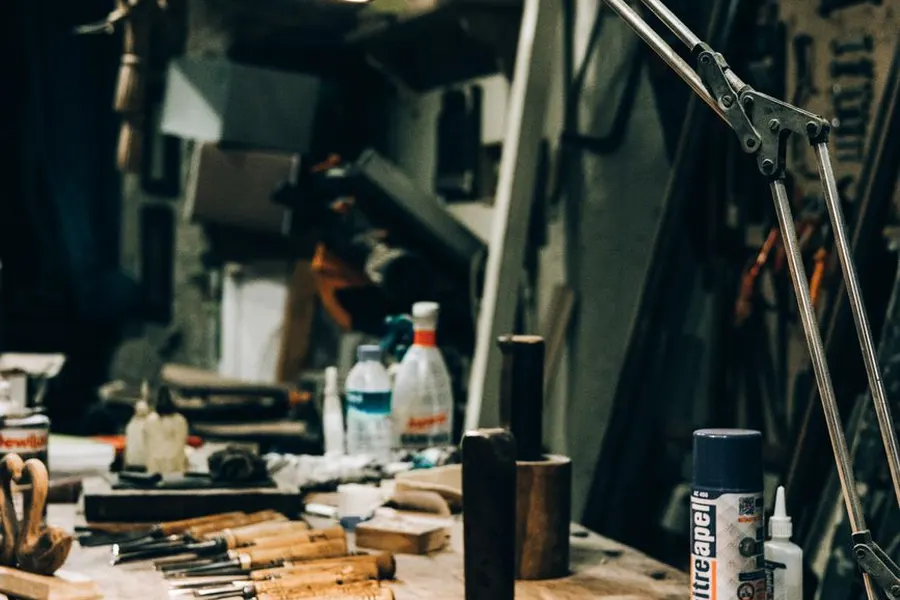
A functional fly tying desk should include a solid tying vise, tool caddies for scissors and bobbins, compartmentalized hook boxes, and bright adjustable task lighting. You also need clear storage containers for delicate hackle capes, synthetic furs, and thread spools.
According to workshop design surveys from the Federation of Fly Fishers, having essential tools positioned on your dominant hand side increases tying speed and reduces hand fatigue. If you enjoy configuring quiet home studios or hobby desks for long hours, learning about ergonomic workspace layouts helps you align chairs, monitor heights, and work tables for spine comfort.

How do you organize fly tying materials efficiently?
You can organize fly tying materials efficiently by sorting hooks and tungsten beads into labeled tackle boxes, hanging thread spools on peg racks, and storing animal furs in airtight clear bins. Grouping materials by fly pattern or bug category keeps your desktop clear while working.
One common myth is that you need a huge, expensive antique roll-top desk to build an effective fly tying station. In reality, a clean modern computer desk or sturdy wooden workbench paired with inexpensive wall-mounted pegboards works just as well. Based on workbench ergonomics data from the International Game Fish Association craft logs, keeping your vise jaws roughly ten inches below eye level prevents neck strain during repetitive wrapping motions. If you travel across the countryside testing your handmade nymphs in lakes and rivers, reading guides on freshwater fishing spots showcases excellent trout waters and nature trails.
Here are the best organization items to add to your tying station:
- Magnetic Hook Dishes: Shallow metal trays that keep loose fly hooks and brass beads from rolling onto the carpet.
- Wooden Tool Stadiums: Drilled blocks that hold bodkins, whip finishers, hackle pliers, and razor scissors upright.
- Spool Racks: Wall-mounted wooden dowels that display your thread, wire, and floss spools by color and diameter.
- Desktop Waste Bag: A small wire hoop or cloth basket attached under your vise stem to catch clipped feather fibers instantly.
One mistake we see beginners make is leaving animal furs and rooster neck hackles exposed on open desk shelves. Household carpet beetles and moths can quickly ruin expensive natural plumage if left unsealed. Instead, store all natural feathers in sealed plastic bags or airtight glass mason jars with a small cedar block for pest protection.

What is the best lighting for a fly tying desk?
The best lighting for a fly tying desk is an adjustable, daylight-balanced LED lamp producing 5,000 to 6,000 Kelvin color temperature with a high color rendering index. Dual gooseneck lights or a magnifying lamp allow you to illuminate both sides of the fly shank without harsh glares.
Imagine sitting down on a cold winter evening with a warm cup of coffee, wrapping streamer patterns under a crisp beam of light. We prefer using a heavy pedestal base for our vise instead of a screw-down C-clamp because a pedestal lets you reposition your vise anywhere on the desk surface without damaging the wood. After trimming synthetic wing fibers or trimming deer hair spun on hooks, keeping small craft spaces clean with a handheld cordless vacuum stops stray fur from sticking to rugs and clothing.
Frequently Asked Questions
Should I choose a pedestal base or C-clamp vise for my desk?
A pedestal base works on any flat table without scratching edges, while a C-clamp offers maximum stability for pulling heavy thread tension.
What desk dimensions work best for fly tying?
A surface width of twenty-four to thirty inches is ideal, providing enough reach for tools while leaving space for material drawers.
How do I keep clipped thread and fur off my floor?
Attach a small clamp-on trash basket or magnetic waste bag directly beneath your vise to catch trimmings as you cut them.
What color desk surface is best for tying flies?
A neutral grey, light wood, or matte green surface provides the best visual contrast against both dark and light thread materials.
Can I build a portable fly tying station?
Yes, mounting a vise base and tool block onto a finished cutting board or small wooden tray lets you carry your whole setup anywhere.

Written by Rosella
Rosella is a self-taught digital creator with a passion for breaking down tech, lifestyle, and everyday topics into simple, easy-to-understand content. Based in Youngstown, Ohio, she brings a curious, multi-disciplinary approach to writing, covering everything from the latest tech trends to practical life hacks and personal growth insights.
Her goal is straightforward: take complicated ideas and explain them in a way that actually makes sense, so every reader, whether a total beginner or someone more experienced, walks away having learned something useful. When she’s not writing, you’ll usually find her exploring new tools, sharpening her skills, or spending time with family.
Through this blog, Rosella aims to build a community centered on real, actionable insights rather than fluff, jargon, or filler content.