How Technology Keeps Literature Alive in the 21st Century
Stories Without Borders
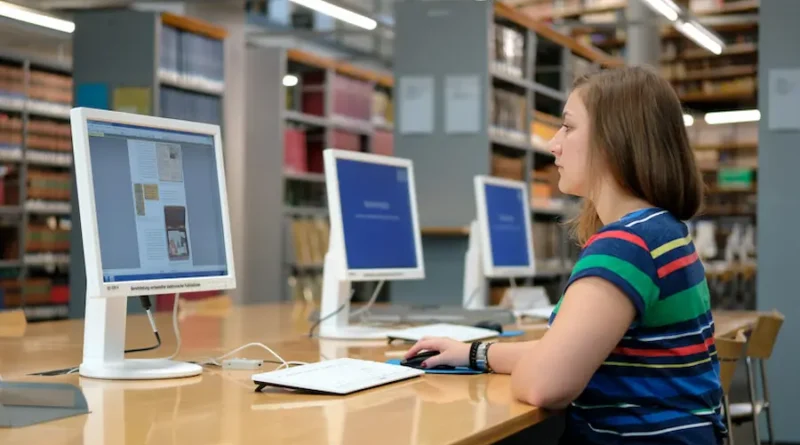
Books used to live on paper shelves and dusty corners of quiet rooms. Now they cross oceans in seconds. From smartphones to tablets to old laptops still doing the job—literature travels lighter than ever. A single device can hold a personal library bigger than anything a house could fit. That shift didn’t kill reading—it gave it a new passport.
Some might argue screens distract more than they help. But reading has never been about the medium. It’s about time attention and emotion. Today many people include Z-library in their daily reading habits finding in it a practical way to reach both classics and unknown titles that never make it to local bookstores. For some readers this is the first time they’ve had consistent access to books at all.
Old Words Meet New Ways
Writers still write. Poets still rhyme. But now their words reach readers through glowing screens. Audiobooks bring characters to life in people’s ears while e-books offer adjustable fonts for tired eyes. Tech doesn’t replace reading—it adapts it.
More than that digital spaces invite collaboration. A historical novel can spark real-time conversation across continents. An annotated copy of “Frankenstein” might live side by side with modern essays all inside one app. The past meets the present in layers that print alone could never stack.
What Modern Readers Value Most
Literature survives because it adapts. It doesn’t hide behind gates. It keeps walking forward. New tools help keep the flame burning—but some patterns stand out more than others:
Instant Access Matters
Long gone are the days of waiting weeks for a book to arrive. Today a novel can be downloaded in seconds during a lunch break or before sleep. Readers value immediacy. Not because they’re impatient but because the world keeps moving fast. Technology meets this need with quiet efficiency.
Personal Libraries Grow Without Walls
People no longer count how many books a shelf can hold. Digital collections stretch as far as curiosity allows. Some explore niche authors while others build collections based on themes moods or cultural moments. These personal digital stacks say more about identity than most playlists.
Sharing Becomes Part of the Story
Screens turn readers into ambassadors. A screenshot from a moving page can become a conversation starter. A quick quote posted online can send dozens to find the source. Sharing stories has always mattered but now the speed of that sharing gives literature new breath.
And as reading becomes more interconnected it also becomes more democratic. Stories that once stayed hidden now surface and find their readers. In this mix of accessibility and innovation readers carve their own paths through the literary world.
Reading Still Holds the Map
People still turn to books for answers and meaning. Even if the pages glow now instead of rustle. Some chase fiction to escape the noise while others dive into essays or memoirs to better understand what’s around them. The reasons haven’t changed—the access has.
Technology doesn’t shout over literature. It opens doors holds them wide and waits quietly by the side. Readers move through on their own terms. The words remain. The spark too.