Mountaineering in China: Peaks, Permits, and Planning
Mountaineering in China offers climbers access to some of the highest summits on Earth, including major Himalayan giants and challenging rock peaks in Sichuan. However, managing the strict government permits and remote logistics requires careful planning before you pack your climbing harness.
By learning about route requirements, height limits, and regional climbing policies, you can coordinate a successful and safe mountain expedition. From what we’ve seen, hiring local support services makes navigating these high-altitude wilderness areas much easier.
What makes mountaineering in China unique?
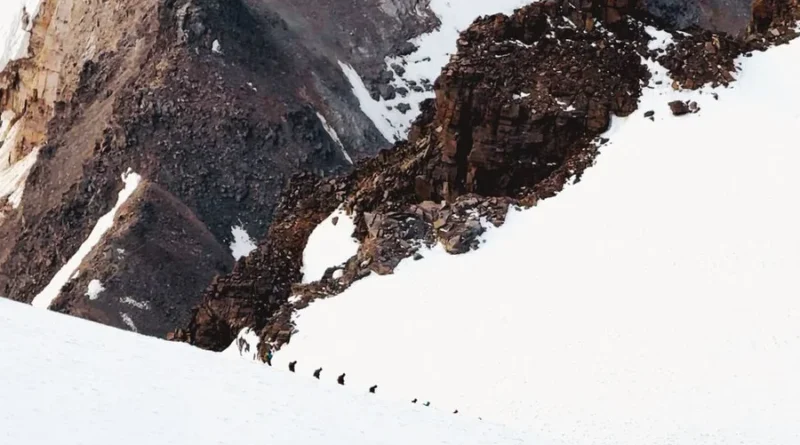
Mountaineering in China is defined by its massive geographic diversity, stretching from the dry glaciers of Xinjiang to the lush, vertical rock walls of Sichuan province. This vast territory contains both famous 8,000-meter peaks and hundreds of unclimbed summits that attract global explorers.
According to the Sichuan Mountaineering Association safety reports, the combination of unpredictable weather systems and high base elevations makes Chinese peaks highly challenging. If you are interested in stories about epic wilderness survival, you can read about popular fantasy novel adaptations that depict heroic journeys across rugged, mystical mountain landscapes.
Do you need a permit to climb mountains in China?
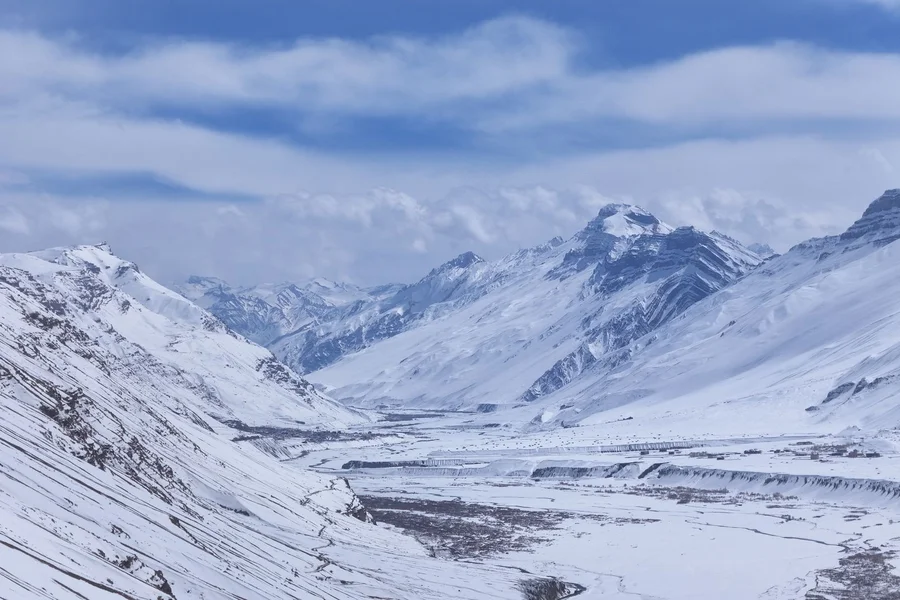
Yes, you need official climbing permits from provincial authorities to climb any peak in China, especially if the mountain rises above 3,500 meters. The government strictly enforces these rules, and attempting to climb without approval leads to immediate detention and heavy fines.
One common myth is that you can simply hike up popular mountains like Haba Snow Mountain or Mount Siguniang on your own without paperwork. In reality, local checkpoint guards inspect permits at the base of every major route. Based on data from the China Mountaineering Association registry sheets, foreign climbers must apply through a registered local agency and hire a government-approved liaison officer for climbs in Tibet or Xinjiang.
Here are the key permit requirements to prepare before your trip:
- Agency Sponsorship: You must submit your climbing itinerary through a licensed Chinese outdoor agency.
- Medical Certificate: Provide a document proving you are fit to climb at high altitudes without major health risks.
- Border Travel Permits: Obtain extra military permits if your target peak lies near international borders.
One mistake we see beginners make is arriving at base camp without enough days scheduled for altitude acclimation. This usually leads to severe altitude sickness, forcing climbers to abandon their trip early. Instead, try spending at least three to four days at mid-elevations before climbing higher than 4,000 meters.
What is the best time of year to climb Chinese peaks?
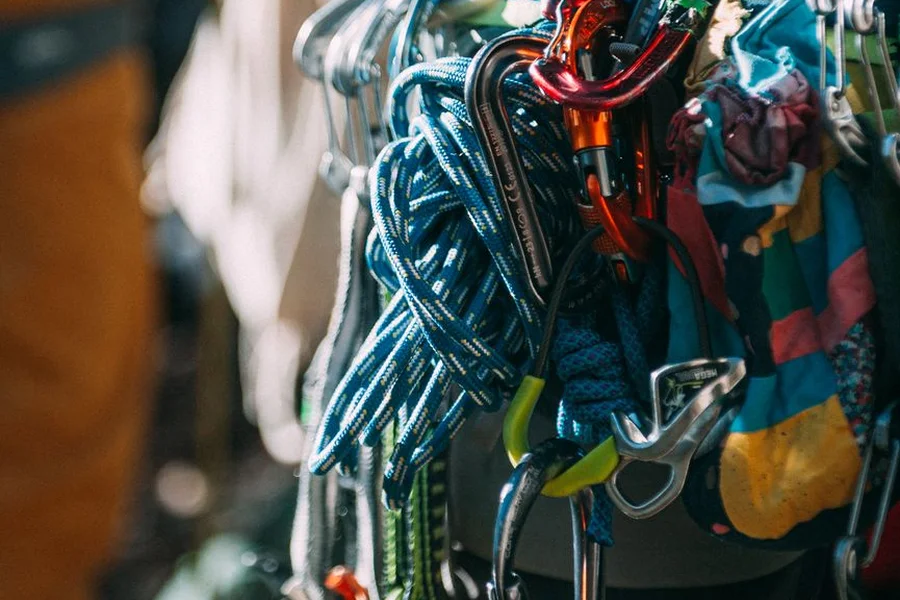
The best time of year to climb mountains in China is during the spring window from April to June or the stable autumn season from September to November. During these months, wind speeds drop and clear skies provide the best climbing conditions.
Imagine you are planning to document a trek up Siguniang Peak. Selecting the best video camera for filmmaking guarantees you capture crisp video in freezing temperatures. We prefer choosing a camera with physical control dials because operating touchscreens with thick gloves is incredibly difficult.
We’ve noticed that winter climbs bring extreme sub-zero temperatures that freeze batteries, while summer rains cause dangerous mudslides along access roads. If you want to build a travel blog to share your expedition journals, using web design development tools helps you create a responsive portal to post your adventure photographs.
Frequently Asked Questions
Is Mount Everest accessible from the Chinese side?
Yes, you can climb Mount Everest from the Tibetan side via the North Col route, which requires special permits from the Tibet Autonomous Region authorities.
Can you climb mountains in China without a local guide?
No, government regulations require all foreign climbers to hire registered local guides and support staff for safety and environmental monitoring.
What is the height of Mount Siguniang in Sichuan?
Mount Siguniang, also known as Four Sisters Mountain, features its highest peak rising to 6,250 meters above sea level.
Does travel insurance cover high-altitude rescue in China?
Standard travel insurance does not cover mountaineering, so you must purchase a policy that explicitly includes high-altitude search and rescue.
How do you handle heavy gear transportation to base camp?
It is common to hire local yak caravans or horse handlers to carry heavy expedition gear up to the main camp sites.

Written by Rosella
Rosella is a self-taught digital creator with a passion for breaking down tech, lifestyle, and everyday topics into simple, easy-to-understand content. Based in Youngstown, Ohio, she brings a curious, multi-disciplinary approach to writing, covering everything from the latest tech trends to practical life hacks and personal growth insights.
Her goal is straightforward: take complicated ideas and explain them in a way that actually makes sense, so every reader, whether a total beginner or someone more experienced, walks away having learned something useful. When she’s not writing, you’ll usually find her exploring new tools, sharpening her skills, or spending time with family.
Through this blog, Rosella aims to build a community centered on real, actionable insights rather than fluff, jargon, or filler content.