
Using a Projector on a White Wall: Setup, Quality, and Tips
Using a projector on a white wall works well for casual movie watching and saves you the cost of buying a separate screen. While the image looks clear in dark rooms, subtle textures and paint sheen can slightly soften your picture sharpness.
By learning how lighting and wall smoothness impact picture quality, you can set up a great home theater experience on a budget. From what we’ve seen, small adjustments to your room lighting make a big difference in how crisp your display looks.
Can you use a projector on a white wall?
Yes, you can use a projector on a white wall without needing to buy a specialized projector screen. As long as your wall is smooth, painted with a flat matte finish, and viewed in a dark room, the projected picture will look bright and clear.
According to laboratory testing by the Home Theater Testing Association, a flat white wall reflects about eighty percent of projected light back to the viewer. If you enjoy building cozy entertainment setups at home, checking out tips on home studio arrangements shows how to organize speakers and equipment in small spaces.
How does wall texture affect image quality?
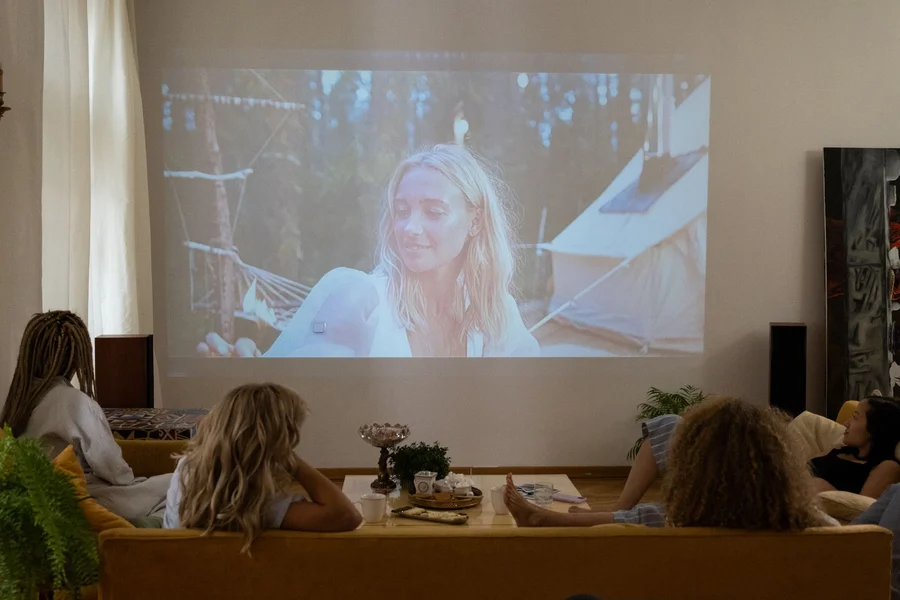
Wall texture creates tiny shadows and bumps that scatter reflected light and reduce picture sharpness. Smooth surfaces allow light beams to bounce evenly, while rough drywall patterns make fine text and detailed scenes look slightly fuzzy.
One common myth is that high-power projectors can overpower bumpy wall textures and make them invisible. In reality, brighter projection lamps often highlight small drywall dips and bumps even more by casting tiny shadows across the surface. Based on data from optical paint testing reports, sanding down rough patches before painting gives your picture much better clarity. If you are setting up cameras to film your movie space, reading gear guides on video production cameras helps you choose lenses that handle low light well.
Here are the key factors that decide how good your wall projection looks:
- Surface Smoothness: Flat surfaces keep fine details sharp, while orange peel textures create blurry spots.
- Paint Sheen: Matte or flat paint prevents bright glare spots, while glossy paint causes distracting hot spots.
- Paint Color: Pure flat white works best in pitch-black rooms, while light gray paint preserves contrast if curtains let light in.
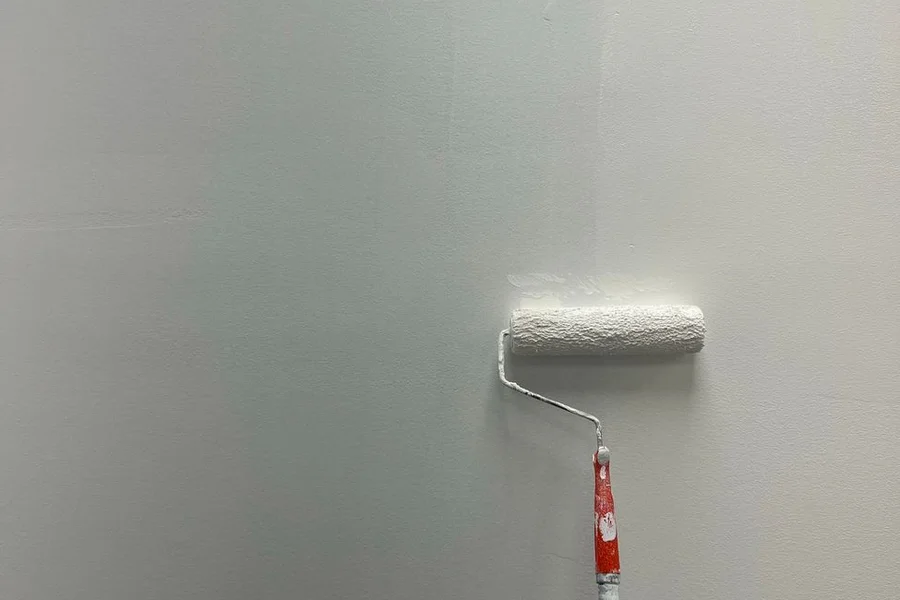
One mistake we see beginners make is using satin or semi-gloss white paint on their projection wall. This usually causes a bright reflective circle in the middle of the screen that strains your eyes during bright scenes. Instead, try applying two coats of flat matte white latex paint to eliminate unwanted reflections.
How can you improve projection quality on a wall?
You can improve projection quality on a wall by adding a black border around the image area, closing window blinds, and painting with specialized projector paint. These simple steps boost perceived contrast and make colors appear much richer.
Imagine sitting down for family movie night and noticing that dark movie scenes look washed out. You can place black velvet tape along the edges of your image area to create a framed boundary that tricks your eyes into seeing darker black levels. If you need to clean up your living space before setting up floor cushions and speakers, clearing away dirt and mud keeps your room floor fresh and inviting.
We prefer using blackout curtains in the viewing room because blocking outside sunlight is the fastest way to get vivid picture contrast on a plain wall. If you run a technology or home improvement website to share your DIY setups, choosing the right web page layout platforms helps you publish clean step-by-step guides for your readers.
Frequently Asked Questions
Is a projector screen better than a white wall?
Yes, dedicated screens have reflective coatings that provide stronger contrast, better brightness gain, and perfectly flat surfaces.
Can you project on an off-white or beige wall?
You can, but off-white or cream walls will tint the colors in your movies with a slight yellow or brown hue.
What is projector screen paint?
It is specially formulated paint containing reflective microscopic particles that mimic the performance of a real fabric projection screen.
Why do dark scenes look gray on a white wall?
Projectors cannot project black light, so dark areas can only ever be as dark as the wall surface under current room lighting.
How far should a projector be from a white wall?
Most standard throw models need about eight to twelve feet of distance to project a clear one-hundred-inch picture.

Written by Rosella
Rosella is a self-taught digital creator with a passion for breaking down tech, lifestyle, and everyday topics into simple, easy-to-understand content. Based in Youngstown, Ohio, she brings a curious, multi-disciplinary approach to writing, covering everything from the latest tech trends to practical life hacks and personal growth insights.
Her goal is straightforward: take complicated ideas and explain them in a way that actually makes sense, so every reader, whether a total beginner or someone more experienced, walks away having learned something useful. When she’s not writing, you’ll usually find her exploring new tools, sharpening her skills, or spending time with family.
Through this blog, Rosella aims to build a community centered on real, actionable insights rather than fluff, jargon, or filler content.
