What Are Seed Potatoes? Definition, Varieties, and Planting
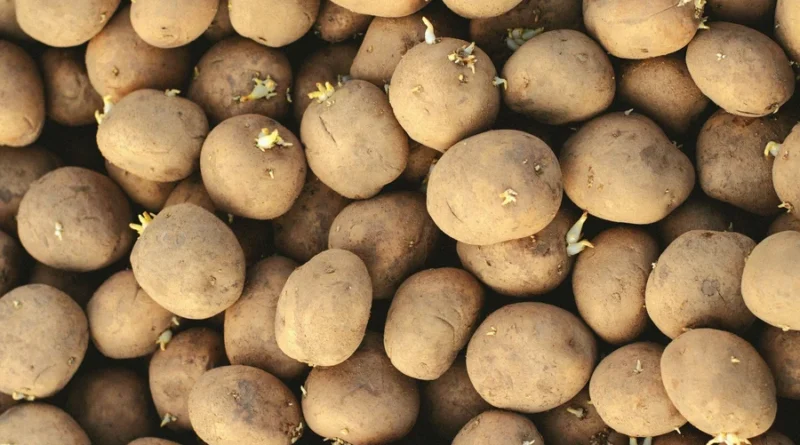
Seed potatoes are whole potato tubers grown specifically for planting rather than eating. They contain small buds known as eyes that sprout into new potato vines, producing clones of the parent plant in your home garden.
By choosing disease-free tubers, you can grow baskets of fresh, homegrown potatoes in a backyard plot or patio grow bag. From what we’ve seen, starting with healthy stock is the easiest way to guarantee a strong harvest at the end of the season.
What are seed potatoes?
Seed potatoes are mature potato tubers saved from the previous growing season to start new potato crops. Unlike traditional seeds found in fruit or seed packets, they reproduce by cloning, meaning every new tuber will match the parent plant in taste and texture.
According to horticultural trial sheets from the Agricultural Extension Service, each tuber contains multiple dormant buds that wake up in warm soil. If you enjoy planning open-air garden parties after your harvest, reading guides on outdoor event planning offers great ideas for arranging beautiful backyard gatherings.
Why should you use certified seed potatoes?
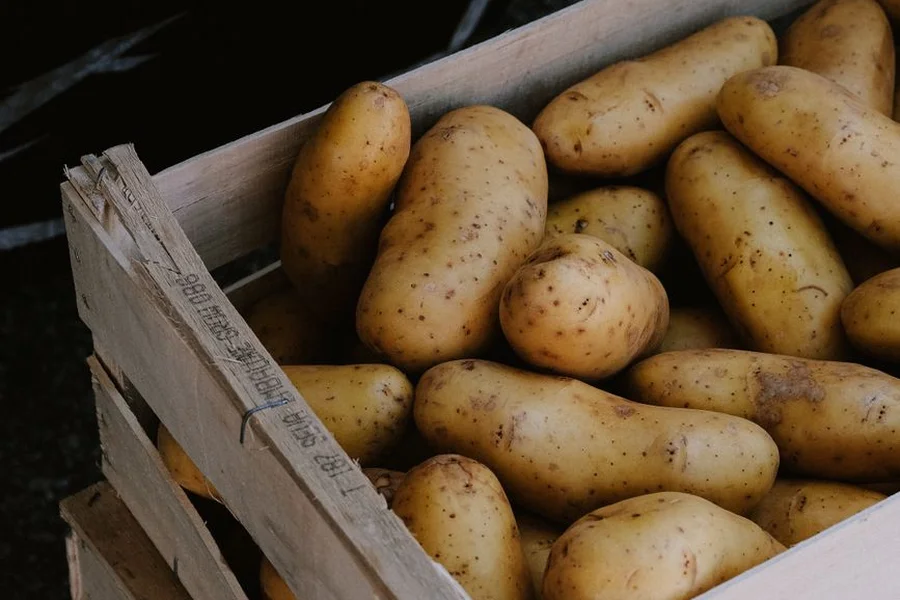
You should use certified seed potatoes because they are tested and inspected by agricultural authorities to ensure they are free of plant viruses and fungal blight. Buying certified stock protects your garden soil from long-term contamination.
One common myth is that you can simply bury leftover supermarket potatoes to grow a healthy garden crop. In reality, grocery store potatoes are often sprayed with chemical sprout inhibitors and may carry silent viruses that ruin your garden soil for years. Based on data from Master Gardener plant pathology logs, certified tubers produce thirty to forty percent more yield per plant compared to random grocery tubers. After a busy afternoon of digging in the garden, clearing away dirt and mud from your boots and car floor keeps your vehicle clean on the ride home.
Here are the primary benefits of using certified stock:
- Disease Protection: Certified stock prevents common garden blights and soil diseases.
- Higher Yields: Healthy sprouts grow faster and develop bigger clusters of tubers.
- Sprout Reliability: Untreated tubers sprout quickly when exposed to sunlight and warmth.
One mistake we see new gardeners make is planting freshly cut potato pieces immediately into damp soil. This usually causes the cut flesh to rot before roots can form. Instead, try letting cut pieces sit in a dry, shaded room for two or three days until a tough, leathery skin forms over the raw edges.
How do you prepare and plant seed potatoes?
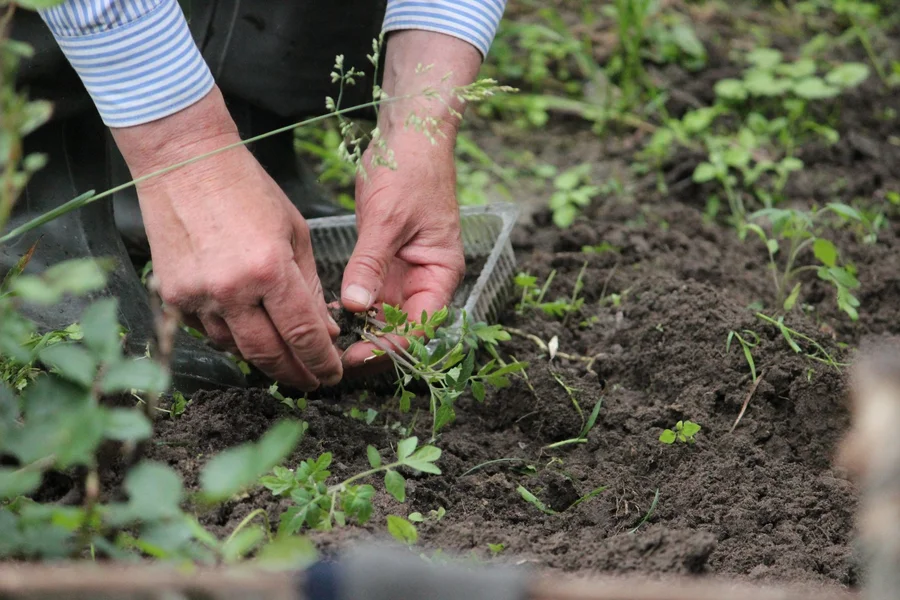
You prepare seed potatoes by chitting them on a windowsill for a few weeks until green sprouts appear, cutting larger tubers into golf-ball-sized chunks, and planting them six inches down in loose soil. As the green stems grow upward, you pile more soil around the base in a process called hilling.
Imagine walking out to your garden on a sunny spring morning and placing your sprouted tubers into fresh compost trenches. We prefer using fabric grow bags on our back patio because harvesting simply involves tipping the bag over to collect clean potatoes without using a sharp garden spade. If you run a gardening blog to share your growing experiments, finding the right web page layout platforms makes it simple to display your growing journals and planting calendars.
Frequently Asked Questions
Can you eat seed potatoes instead of planting them?
You should not eat them, as some commercial seed stock is treated with protective antifungal coatings meant only for soil planting.
What does chitting mean in potato gardening?
Chitting is the process of placing seed potatoes in a cool, bright spot for two to four weeks to encourage strong, green sprouts before planting.
How many potatoes grow from one seed potato?
A single planted seed piece typically produces five to ten full-sized potatoes, depending on soil moisture and sun exposure.
When is the best time to plant seed potatoes?
The best time to plant is in early spring, about two to three weeks before the expected last frost date in your local area.
Do you need to cut small seed potatoes before planting?
No, small tubers the size of an egg can be planted whole without any cutting.

Written by Rosella
Rosella is a self-taught digital creator with a passion for breaking down tech, lifestyle, and everyday topics into simple, easy-to-understand content. Based in Youngstown, Ohio, she brings a curious, multi-disciplinary approach to writing, covering everything from the latest tech trends to practical life hacks and personal growth insights.
Her goal is straightforward: take complicated ideas and explain them in a way that actually makes sense, so every reader, whether a total beginner or someone more experienced, walks away having learned something useful. When she’s not writing, you’ll usually find her exploring new tools, sharpening her skills, or spending time with family.
Through this blog, Rosella aims to build a community centered on real, actionable insights rather than fluff, jargon, or filler content.