What is a Destination Wedding? Definition, Planning, and Budgets
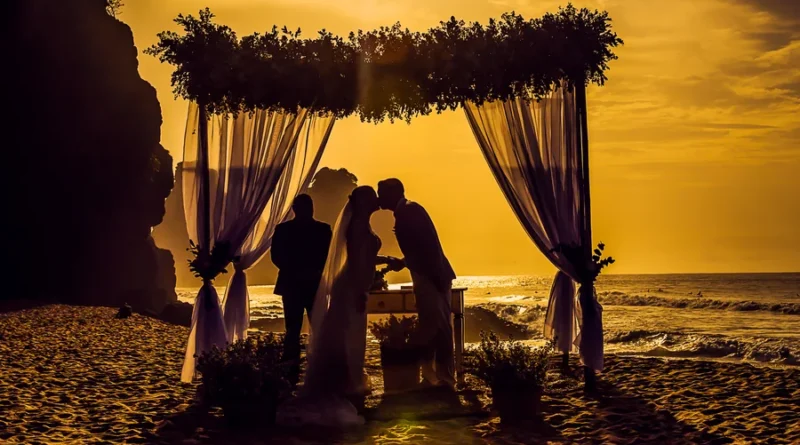
A destination wedding is a marriage ceremony and reception held in a location outside of the couple’s hometown or current place of residence. It requires almost everyone attending, including the bride and groom, to travel to the venue.
By moving the celebration to a scenic spot, you can combine your ceremony and vacation into one memorable trip. From what we’ve seen, this approach helps couples host smaller, more intimate gatherings with their closest friends and family.
What is the destination wedding meaning?
The destination wedding meaning refers to hosting your wedding event in a location that requires travel for the majority of your guests. Unlike a local wedding, it takes place away from the city where you currently live and work.
According to a wedding planning study by The Knot, about fifteen percent of couples choose to get married away from home to create a unique experience. If you are interested in romantic story setups in popular media, you can read about famous cinema and television adaptations to see how beautiful landscapes are featured in popular show backdrops.

How do you plan a destination wedding on a budget?
You plan a destination wedding on a budget by picking an all-inclusive resort package, limiting your guest list, and choosing a location during the off-season. These choices keep travel and catering rates low while providing standard event amenities.
One common myth is that getting married away from home is always more expensive than hosting a traditional local wedding. In reality, because the guest list is typically much smaller, you save money on food, drinks, and large venue rentals. Based on data from resort booking schedules, choosing a package that includes the celebrant, flowers, and reception dinner makes coordination easier and cuts out extra coordinator fees. However, if you are driving your own vehicle to a nearby wedding location, clearing away dirt and mud from your vehicle floor ensures your travel remains neat and clean.
Follow these steps to manage your event budget:
- Choose all-inclusive options: Select resorts that bundle lodging, meals, and basic wedding setups together.
- Keep guest counts low: Invite only close family and friends to reduce catering and seating expenses.
- Marry during off-peak months: Book your event during shoulder seasons when flight and room rates drop.
One mistake we see couples make is booking a remote venue without visiting it first or reading local coordinator reviews. This usually leads to surprise expenses, poor food quality, or mismanaged setups on the big day. Instead, try hiring a local coordinator who has verified credentials and positive client reviews to handle details on-site.

Who pays for the guests’ travel expenses?
Guests are expected to pay for their own flights, hotel rooms, and personal transportation to reach the destination wedding. The couple hosting the event pays for the ceremony, reception dinner, and any group activities scheduled during the stay.
Imagine you receive an invitation to a beach wedding in Mexico. You will need to cover your plane ticket and lodging, but your meals at the wedding reception are covered by the hosts. We prefer sending save-the-date cards at least eight to ten months in advance so guests have plenty of time to find flight deals and request time off work.
We’ve noticed that sending digital invites with a detailed travel FAQ page helps guests book their trips without confusion. If you want to launch a wedding website to share hotel booking codes and itinerary maps with your guests, using web page layout platforms makes it easy to build a clean portal.
Frequently Asked Questions
Are destination weddings legally binding?
Yes, but you must research local marriage laws, as some countries require blood tests, translation of documents, or residency periods before the ceremony.
How far in advance should you send invitations?
You should send official invitations at least six to eight months in advance, preceded by save-the-date notices eight to ten months early.
Do you need to provide welcome bags for guests?
No, welcome bags are not mandatory, but providing local snacks, sunscreen, and a printed event itinerary is a nice gesture for traveling guests.
What is a shoulder season in wedding planning?
A shoulder season is the travel period between peak season and off-peak season, offering a balance of good weather and lower resort prices.
Should you register for gifts for a destination wedding?
You can, but many couples choose to skip registries or request honeymoon funds instead, since guests are already spending money on travel.

Written by Rosella
Rosella is a self-taught digital creator with a passion for breaking down tech, lifestyle, and everyday topics into simple, easy-to-understand content. Based in Youngstown, Ohio, she brings a curious, multi-disciplinary approach to writing, covering everything from the latest tech trends to practical life hacks and personal growth insights.
Her goal is straightforward: take complicated ideas and explain them in a way that actually makes sense, so every reader, whether a total beginner or someone more experienced, walks away having learned something useful. When she’s not writing, you’ll usually find her exploring new tools, sharpening her skills, or spending time with family.
Through this blog, Rosella aims to build a community centered on real, actionable insights rather than fluff, jargon, or filler content.