
What is a One Sided Die? The Geometry of the Famous d1
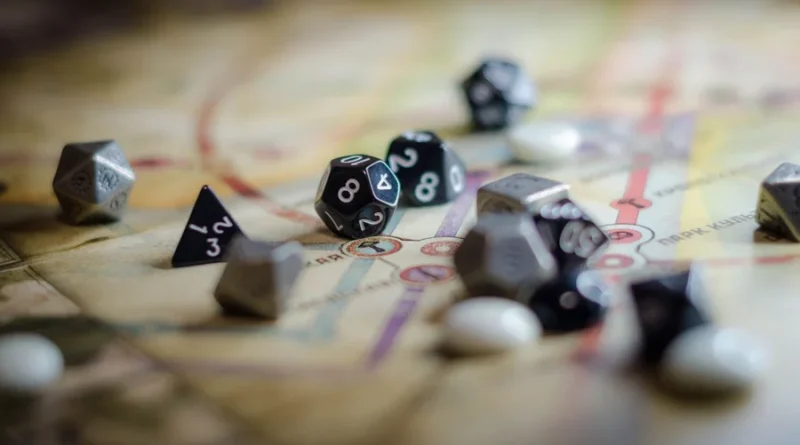
A one sided die, also known as a d1, is a gaming object that has only one possible landing outcome when rolled. Because it yields the same result every time, it serves as a novelty collector item or a joke rather than a tool for playing games.
By studying how these objects are constructed, you can learn about interesting geometry styles and mathematical surfaces. From what we’ve seen, players love using them to make funny statements during tabletop roleplaying sessions.
What is a one-sided die?
A one-sided die is a mathematical curiosity designed to have only one face or landing position. When you roll this object, the face showing on top will always display the exact same number, usually a one.
According to D&D community census registers, many players buy these items to roll when their characters perform actions that are guaranteed to succeed or fail. If you enjoy creating rules for custom games, you can check out guidepages on tabletop roleplaying games to see how standard dice sets resolve conflicts in complex fantasy worlds.
How does a Mobius strip die work?
A Mobius strip die works by using a single continuous loop that has only one side and one edge. When you roll this loop on a table, you can trace the entire surface with your finger without ever lifting it off the material.
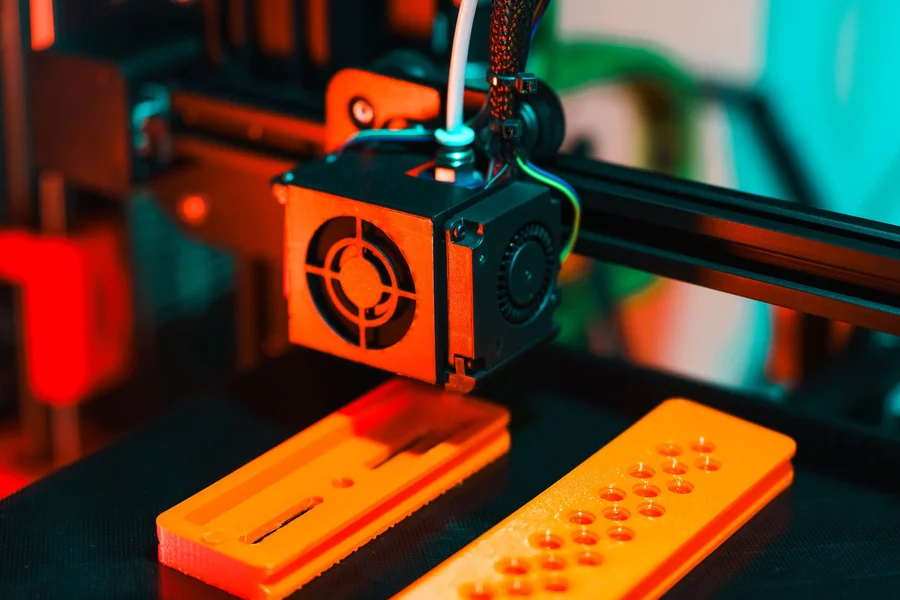
One common myth is that a sphere is the only physical object that has one side. In reality, a sphere has no edges but has a clear boundary dividing its inside from its outside, whereas a Mobius strip has a single continuous boundary. Based on data from the Monostatic Shapes Laboratory, you can create a monostatic shape that has only one point of stability. We’ve noticed that these shapes are very fun to print at home using a standard plastic printer. But if you have a messy workshop, clearing away dirt and mud from your work surface keeps your plastic prints clean and free of spots.
Here are the primary ways developers construct a d1:
- Möbius Loop: A twisted paper or plastic strip that forms a single continuous surface.
- Weighted Sphere: A round ball containing a heavy internal bead that always rolls to a single stop.
- Shield Shape: A curved coin-like object that has a rounded base and only one flat face on top.
One mistake we see new collectors make is buying cheap plastic toys that claim to be balanced d1 shapes but contain bubbles inside. This usually makes the weight uneven and causes the object to land on its side rather than its flat face. Instead, try looking for machined metal models that have verified reviews from other collectors.
Why do players use a d1 in tabletop games?
Players use a d1 in tabletop games to add humor to a session, mock a hopeless task, or track static spell parameters. It serves as a visual joke to show that a character has no choice but to accept a single predetermined outcome.
Imagine your wizard casting a spell that always does exactly one point of damage. You could throw a normal d6 and ignore the result, but throwing a massive metal d1 is much more entertaining for the group. For players who love customizing their software experiences, trying custom gaming modifications shows how users alter default game rules to suit their style. We prefer using custom dice because they create memorable moments that players talk about long after the game ends.
If you want to share your custom dice collection online, choosing the right web page layout platforms helps you display your photos in an organized gallery.
Frequently Asked Questions
Can a sphere be considered a one-sided die?
Yes, if you paint a single number on a weighted sphere, it functions as a one-sided die because it always rolls to that face.
Is a d1 useful for normal board games?
No, because it lacks randomness and cannot generate different numbers to determine movements or actions.
What is a monostatic shape?
A monostatic shape is a physical object that has only one stable balance point, causing it to always return to that position.
Are Möbius strip dice hard to make?
You can make one easily by twisting a strip of paper once and gluing the ends together, or by printing a plastic model.
Do game shops sell standard d1 dice?
Yes, many hobby shops sell them as novelty items, gag gifts, or tokens for collectors.

Written by Rosella
Rosella is a self-taught digital creator with a passion for breaking down tech, lifestyle, and everyday topics into simple, easy-to-understand content. Based in Youngstown, Ohio, she brings a curious, multi-disciplinary approach to writing, covering everything from the latest tech trends to practical life hacks and personal growth insights.
Her goal is straightforward: take complicated ideas and explain them in a way that actually makes sense, so every reader, whether a total beginner or someone more experienced, walks away having learned something useful. When she’s not writing, you’ll usually find her exploring new tools, sharpening her skills, or spending time with family.
Through this blog, Rosella aims to build a community centered on real, actionable insights rather than fluff, jargon, or filler content.


