
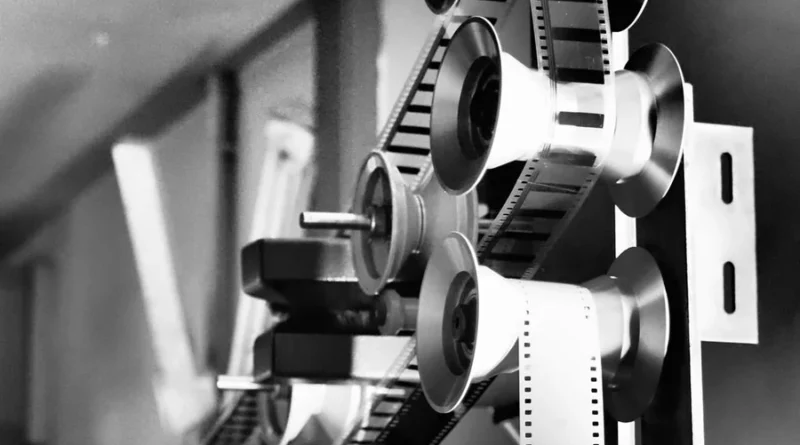
Best Silent Films of All Time: Classics and Where to Watch
The best silent films include iconic masterpieces like Metropolis, The Passion of Joan of Arc, Sunrise, and Buster Keaton’s comedy classic The General. These movies tell captivating stories using visual expression, expressive acting, and orchestral scores instead of recorded spoken dialogue.
By exploring early cinema, you can see how directors created modern filming techniques using creative camera angles and visual effects. From what we’ve seen, watching these foundational movies gives you a fresh appreciation for the art of visual storytelling.
What are the best silent films of all time?
The best silent films of all time are Metropolis (1927), The Passion of Joan of Arc (1928), Sunrise: A Song of Two Humans (1927), and City Lights (1931). Each of these historic titles introduced new visual effects, emotional close-up acting, and timeless storytelling.
According to archival records from the National Film Preservation Board, early cinema masters built cinematic conventions that filmmakers still rely on. If you enjoy modern movie production gear, reading guides on video production cameras highlights how camera sensors and lenses have changed since the hand-crank era.
Why are silent films still worth watching today?
Silent films are worth watching today because they rely on purely visual storytelling, inventive stunts, and emotional musical accompaniment. Without spoken dialogue, actors communicate complex ideas through subtle facial expressions, physical comedy, and dynamic body language.
One common myth is that silent movies were shown in total silence to bored audiences. In reality, theaters featured live piano players, mighty theater organs, or full symphonic orchestras to provide dramatic musical scores for every showing. Based on historical data from the British Film Institute Sight & Sound archive, visual clarity and pacing in silent epics equal the finest modern productions. If you want to recreate an authentic theater experience in your living room, tips on projecting movies at home show how to set up big screen displays easily.
Here are the essential silent cinema classics you should add to your watchlist:
- Metropolis (1927): A stunning science fiction vision directed by Fritz Lang that invented modern sci-fi cityscapes.
- The Passion of Joan of Arc (1928): A powerful historical drama celebrated for its intense, moving facial close-ups.
- The General (1926): Buster Keaton’s hilarious train chase comedy that features some of the most daring real stunts in movie history.
- City Lights (1931): Charlie Chaplin’s beloved romantic comedy that blends laugh-out-loud slapstick with heartfelt emotion.
One mistake we see newcomers make is watching silent movies on modern televisions with motion smoothing turned on. This usually creates an unnatural soap opera effect that ruins the original film cadence and lighting. Instead, try turning off motion smoothing and dimming your room lights to enjoy the original black and white tones.
Where can you watch classic silent movies?
You can watch classic silent movies for free on public domain archives, the Internet Archive, and YouTube, or in restored high definition on dedicated film streaming services. Because most titles were produced before 1929, their copyrights have expired into the public domain.
Imagine setting up a cozy weekend screening of Buster Keaton’s stunts with your friends. We prefer watching fully restored prints with freshly recorded orchestral soundtracks because clean restoration brings out rich shadow details that were lost on old VHS tapes. If you enjoy seeing how stories evolve across different entertainment formats, exploring cinema and television adaptations offers great context on how storytelling styles shifted across generations.
Frequently Asked Questions
When did the silent film era take place?
The silent film era lasted from the mid-1890s until around 1929, when talking pictures rapidly replaced silent productions.
Were silent films completely black and white?
Many were tinted with colored dyes, using amber for indoor scenes, blue for night sequences, and red for fire scenes.
What are title cards in silent movies?
Title cards are printed text slides inserted between scenes to show character dialogue and key plot points.
Who was the most famous silent film actor?
Charlie Chaplin and Buster Keaton are the two most famous and universally recognized stars of the silent era.
Why are so many silent films lost today?
Early nitrate film stock was highly flammable and deteriorated quickly if not kept in temperature controlled vaults.

Written by Rosella
Rosella is a self-taught digital creator with a passion for breaking down tech, lifestyle, and everyday topics into simple, easy-to-understand content. Based in Youngstown, Ohio, she brings a curious, multi-disciplinary approach to writing, covering everything from the latest tech trends to practical life hacks and personal growth insights.
Her goal is straightforward: take complicated ideas and explain them in a way that actually makes sense, so every reader, whether a total beginner or someone more experienced, walks away having learned something useful. When she’s not writing, you’ll usually find her exploring new tools, sharpening her skills, or spending time with family.
Through this blog, Rosella aims to build a community centered on real, actionable insights rather than fluff, jargon, or filler content.


